Impacts
As of December 2024, the online course (WHO Academy) has recorded over 4000 participants having achieved recognition of completion. The majority of learners fall within the 20–39 age group with overall representation across all WHO regions.
Engagement
As of December 2024, the course has demonstrated strong and sustained participation globally, with:
- Around 11 000 total enrolments
- over 4 000 records of achievement
Participant demographics
The course attracts a wide range of learners, with the largest group (46%) aged between 20 and 39 years, followed by:
- 23% aged 30–39 years
- 16% under 20 years
- 10% aged 40–49 years
- 4% aged 50–59 years
- 1% aged 60–69 years
/environment-climate-change-and-health-(ech)/air-quality-energy-and-health-(aqh)/apht-toolkit-demographics.tmb-1920v.png?sfvrsn=574207e1_1 "APHT toolkit demographics")
Demographics of participants in the APHT Online Course
Target audience
/environment-climate-change-and-health-(ech)/air-quality-energy-and-health-(aqh)/apht-toolkit_learner-distribution.tmb-1920v.png?sfvrsn=c607a75a_1 "APHT toolkit demographics")
Global Learner Distribution for the APHT Online Course
The boundaries and names shown and the designations used on this map do not imply the expression of any opinion whatsoever on the part of the World Health Organization concerning the legal status of any country, territory, city or areas or of its authorities, or concerning the delimitation of its frontiers or boundaries. Dotted or dashed lines on maps represent approximate border lines for which there may not yet be full agreement.
/environment-climate-change-and-health-(ech)/air-quality-energy-and-health-(aqh)/apht-toolkit_top-user-countries.tmb-1920v.png?sfvrsn=b7bea6f7_1 "APHT toolkit demographics")
Top Countries by APHT Online Course Enrollment
Participants feedback

"The training helped me connect my personal experience of living with asthma to a deeper understanding of the health impacts of air pollution, giving me practical tools I now use in my advocacy with students and policymakers. It stands out because it transforms knowledge into action, and I would recommend it to anyone committed to protecting vulnerable communities and advancing clean air for all."
Lisa Nahgon
Freedom to Breathe Ambassador, Association for the Promotion of Youth Leadership, Advocacy and Volunteerism, Cameroon

"Air pollution has a huge impact on people living with respiratory conditions. It is essential that healthcare professionals are aware of the impact of air pollution on lung health – and ready to provide support and advice to patients, as well as be strong voices in the call for cleaner air. The WHO air pollution and health training toolkit is essential for health workers to understand the problem and how to communicate about what needs to be done."
Pippa Powell
Director, European Lung Foundation (Patient-led organization)
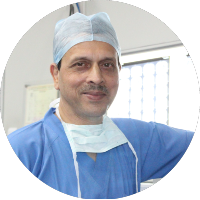
"Working on the front lines of lung health, I see every day how profoundly air pollution harms people and their lives. This training toolkit gives health workers exactly what they need—clear science, practical communication strategies, and actionable steps to drive change in their communities. The toolkit turns complex environmental health challenges into empowering, solution-driven guidance. I recommend it to any health professional and other stakeholders who are committed to safeguarding respiratory health and advocating for cleaner air."
Prof. Dr Arvind Kumar
Chairman of the Institute of Thoracic Surgery, Thoracic Oncology Surgery, and Lung Transplantation, India

"The program's main goal is to teach students to think critically about how environmental resources can have a significant and far-reaching impact on both public and individual health. The comprehensive, evidence-based data and practical tools give us, and also our future physicians, the invaluable chance to develop strong interdisciplinary skills and actively embrace an advocacy role to address both behavioral and global environmental health determinants. Thank you for this highly supportive, affordable, and educational course, which addresses this crucial and pressing need."
Prof. Dr. Özden Gökdemir
Former Chair of Environmental Party at the World Organization for Family Doctors (WONCA), Izmir University of Economics, Türkiye